


Blog
Bedroom Furniture That Fits How You Live

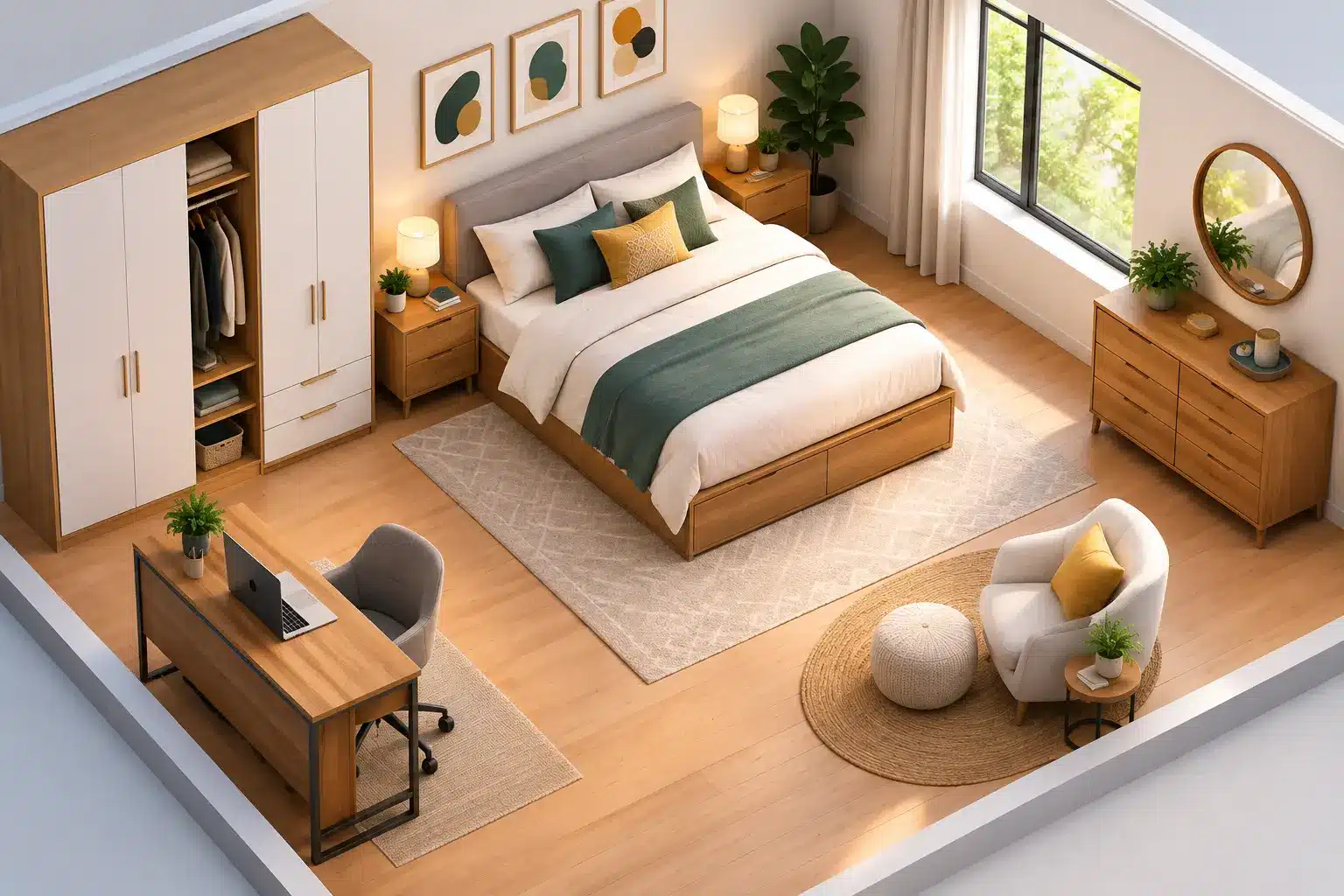
A bedroom can look beautifully styled and still feel inconvenient by the end of the first week. The reason is usually simple: the bedroom furniture was chosen for appearance before it was chosen for the way the room needs to work. A bed that overwhelms the layout, a dresser with shallow drawers, or bedside tables that sit too low can interrupt the comfort a private room should provide.
The best bedrooms feel composed without feeling precious. They make space for rest, dressing, storage, and the small rituals that begin and end each day. Whether furnishing a compact apartment bedroom or a generous villa suite, the goal is not to fill every wall. It is to select pieces with the right scale, comfort, and lasting character.
Start With the Bed, Not the Accessories
The bed is the visual and practical center of the room, so it should guide every other decision. Before considering a headboard shape or upholstery color, establish how much floor space the bed can occupy while preserving comfortable movement around it.
As a general rule, aim for clear walking space along both accessible sides of the bed and at its foot. In a smaller room, this may mean choosing a bed with a slimmer frame rather than reducing the mattress size. In a larger bedroom, a substantial upholstered bed or a wide wood headboard can give the room the presence it needs.
A platform bed creates a clean, modern profile and can make a low-ceiling room feel more open. A bed with an upholstered headboard brings softness, especially where stone flooring, glass, or crisp wall finishes might otherwise make the room feel formal. Storage beds are particularly useful in apartments and family homes, but their lift mechanism and internal capacity should be evaluated alongside the room’s daily needs. They are excellent for seasonal bedding and luggage, though less practical for items you reach for every morning.
For custom dimensions, consider the mattress first and the room second. The frame should support both without forcing awkward gaps, blocked doors, or a narrow route to the wardrobe.
Measure the Room Before Choosing Bedroom Furniture
Good proportions are not an optional finishing touch. They determine whether furniture feels intentional or simply placed. Take measurements before browsing, including the features that are easy to overlook:
- Wall lengths, ceiling height, and the position of columns or alcoves
- Door swings, wardrobe doors, and windows that need clear access
- Electrical outlets, switches, and bedside lighting points
- The route furniture must take from the entrance to the bedroom
It also helps to mark the footprint of a proposed bed on the floor with tape. This quickly reveals whether a king-size bed leaves enough room for nightstands, a bench, or a comfortable passageway. For homes in Dubai and across the UAE, where bedrooms often have built-in wardrobes and carefully planned air-conditioning points, this early check can prevent an otherwise attractive layout from becoming restrictive.
Scale matters beyond the bed. A low, broad dresser can balance a room with a wide headboard, while a tall chest can make better use of vertical space in a narrow layout. Avoid pairing every piece from the same collection simply for the sake of matching. Cohesion often comes from repeated materials, colors, or proportions rather than identical silhouettes.
Build Storage Around Daily Routines
Storage should support the way the household actually gets ready, not just hide clutter when guests arrive. Think about what needs to be folded, hung, displayed, and kept close at hand. A dresser works well for everyday clothing and accessories, while a bedside table should hold more than a decorative lamp. It needs a useful surface and, ideally, enclosed storage for chargers, reading glasses, and personal items.
For couples, symmetry can be calming, but it is not mandatory. Two matching nightstands create a classic, balanced arrangement. Yet rooms with different needs may benefit from one compact drawer unit on one side and a slightly larger bedside chest on the other. The bed remains the unifying feature, while the supporting pieces become more personal.
A bench or ottoman at the foot of the bed can serve as a landing place for cushions, a seat while getting dressed, or concealed storage. It should be narrow enough to preserve circulation and low enough that it does not visually compete with the bed. In smaller rooms, a pouf offers similar flexibility with a lighter footprint.
Choose Materials That Feel Good Every Day
Bedroom furniture is handled more intimately than furniture in a formal living room. Drawer pulls are touched daily, upholstered headboards are leaned against, and bedside surfaces collect water glasses, books, and devices. The material choice should suit that level of use.
Wood finishes add warmth and work especially well in rooms that need a grounded, residential feel. Lighter oak tones can keep contemporary interiors relaxed, while walnut-inspired finishes bring depth and contrast. Upholstery adds comfort and gives a bed a more tailored appearance, but fabric selection matters. A textured weave can hide everyday wear better than a very pale, smooth fabric, particularly in family homes.
For a quieter look, keep the finish palette focused. One dominant wood tone, one upholstery color, and carefully chosen metal details are often enough. This does not mean every item must be identical. A room becomes more inviting when matte wood, soft fabric, and a small touch of metal or glass are layered with restraint.
Add Seating Only When It Earns Its Place
A bedroom armchair can turn an unused corner into a place for reading, calls, or a quiet pause before the day begins. But seating should not be added just because the room appears to have empty space. A chair that cannot be comfortably accessed, or that becomes a place for clothes, adds visual weight without adding value.
If the room has the scale, place an armchair near natural light with a small side table and appropriate lighting. In a primary suite, a pair of occasional chairs can create a more generous, hotel-like feeling. In a compact bedroom, one upholstered stool or a slim bench is usually the better choice.
This same principle matters for hospitality spaces. Guest-room furniture needs to feel welcoming while leaving clear paths for luggage, housekeeping, and everyday movement. Durable finishes and well-considered dimensions are as important as the first visual impression.
Use a Layered Approach to Color and Texture
Bedrooms benefit from a slower visual rhythm than social spaces. Instead of relying on one dramatic piece, create interest through a controlled mix of textures. A tailored upholstered bed, timber nightstands, curtains with a soft drape, and a woven rug can make a neutral room feel complete without excessive decoration.
Start with the largest surfaces: the bed, curtains, flooring, and walls. Then introduce accent colors through cushions, throws, artwork, or an occasional chair. This approach makes it easier to refresh the room later without replacing major furniture.
Curtains deserve special attention because they influence both mood and comfort. Sheer layers soften daylight and add privacy, while heavier drapery can improve light control and create a more finished setting around the bed. When furniture, upholstery, and window treatments are considered together, the room feels designed rather than assembled over time.
When Custom Bedroom Furniture Makes Sense
Standard sizes are efficient, but they do not solve every layout. Custom furniture is worth considering when a room has an unusual wall length, a recessed niche, a low window, or a specific finish requirement that ready-made pieces cannot meet. It can also be the right choice when matching an existing interior scheme or furnishing several rooms with a consistent look.
The strongest custom projects begin with practical information: room measurements, preferred mattress size, storage requirements, reference images, and a realistic delivery timeline. From there, dimensions, upholstery, finishes, and details can be coordinated around the room rather than forced into it. Homess by Sky Space Furniture supports this more tailored approach for homes and larger furnishing projects where standard catalog dimensions are not enough.
A well-furnished bedroom should make the day feel easier before you have even left the room. Choose fewer, better-considered pieces, allow the layout to breathe, and let comfort lead the design decisions.