


Blog
Modern Furniture That Fits the Way You Live

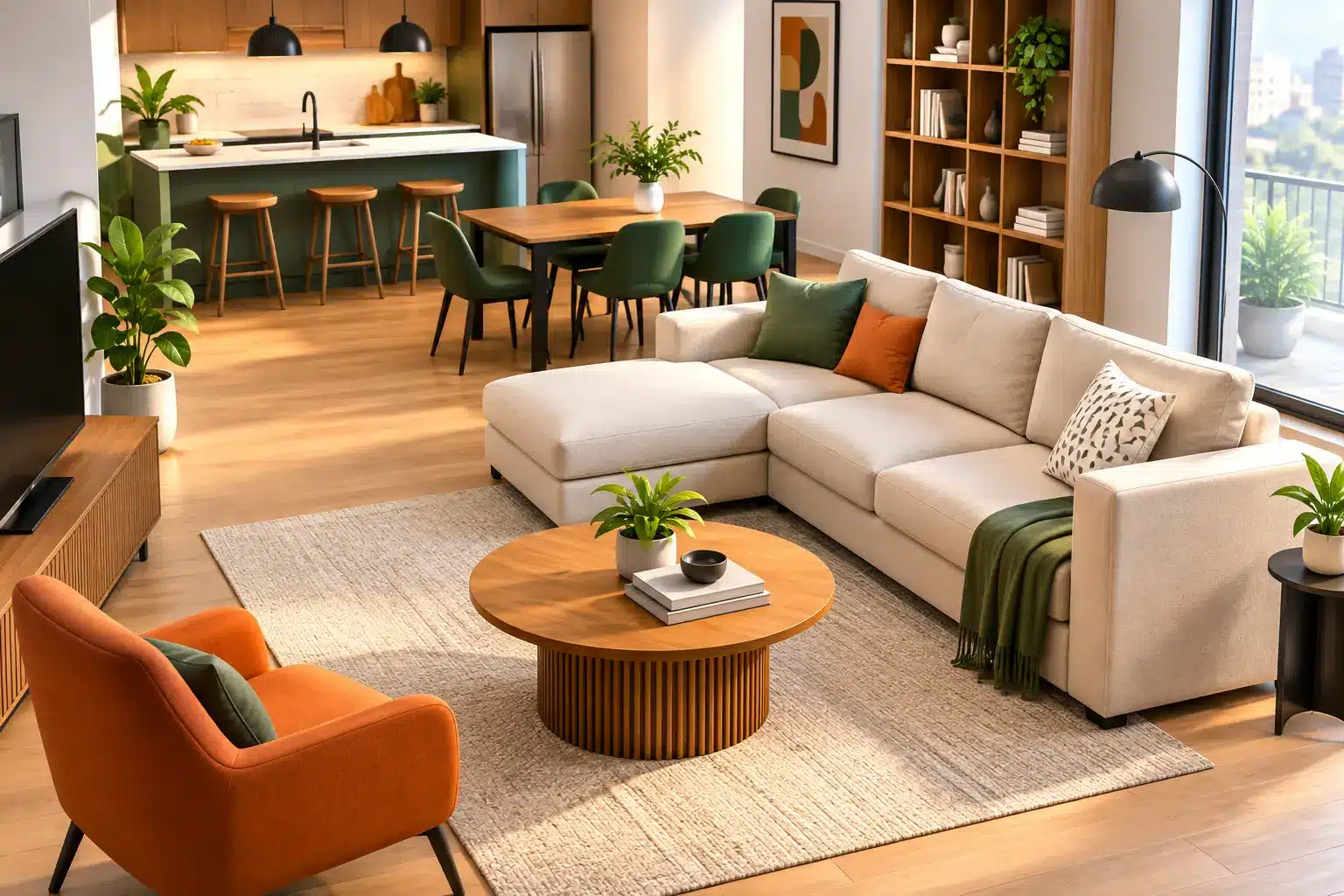
A sofa that looks striking in a showroom can feel oversized in a living room. A beautiful bed may leave too little space to move around it. That is why modern furniture is not simply about clean silhouettes or current colors. It is about choosing pieces that bring proportion, comfort, and a sense of ease to the way you actually live.
For a Dubai apartment, a family villa, or a hospitality reception area, the best contemporary interiors feel considered rather than crowded. Each piece has a purpose, yet the room still feels welcoming. The key is to look beyond individual products and consider how furniture works together as a complete environment.
What Defines Modern Furniture?
Modern furniture is often recognized by its uncomplicated forms, balanced proportions, and focus on function. Think low-profile sofas, upholstered beds with refined headboards, sculptural armchairs, streamlined coffee tables, and storage that does not overwhelm a room. The style favors clarity over ornament, but it should never feel cold or impersonal.
Comfort is central to a successful modern interior. A deep sofa in a soft textured fabric, an inviting ottoman, or a generously padded armchair can make clean-lined design feel relaxed and livable. Natural-look wood finishes, warm neutrals, textured upholstery, and metal accents can all add depth without making the space feel busy.
The style also leaves room for personality. Modern does not require every surface to be white, gray, or minimal. A rich olive armchair, a patterned curtain, or a coffee table with a distinctive stone-effect finish can become a focal point while keeping the overall room composed.
Start With the Room, Not the Product
Furniture selection becomes easier when the room leads the decision. Before choosing a sofa, bed, or dining piece, consider circulation, window placement, door swings, and the activities that happen there. A room should allow people to enter, sit, gather, and move comfortably without navigating around awkward corners.
In a compact apartment living room, a tailored sofa with raised legs may create a lighter visual effect than a large, floor-hugging sectional. In a spacious villa, a sectional can define a seating zone and make an open-plan room feel more intimate. Neither option is automatically better. The right choice depends on the room’s scale and how the household uses it.
Measure for movement as well as furniture
Dimensions matter, but the empty space around furniture matters too. Allow comfortable pathways between the seating area and other parts of the room. Make sure coffee tables are close enough to be useful without blocking legroom. In bedrooms, leave enough clearance around the bed for daily movement and access to wardrobes or nightstands.
This is where custom dimensions can make a meaningful difference. A sofa adjusted by even a few inches, a bed designed for a specific wall, or curtains made to suit the height of the room can create a far more polished result than trying to force standard sizes into an unusual layout.
Plan around real routines
A formal-looking living room may not suit a home with young children, frequent guests, or pets. Families may prioritize stain-resistant upholstery, rounded edges, and flexible extra seating such as poufs and ottomans. Those who entertain often may prefer a larger sofa arrangement, occasional chairs that can be moved easily, and a coffee table with a generous surface.
Bedrooms deserve the same practical attention. An upholstered bed creates softness and visual comfort, while a well-chosen headboard can anchor the room. For children’s rooms, furniture should support changing needs, from play and study to storage and sleep, without making the space feel overly themed or temporary.
Build a Comfortable, Cohesive Living Room
The living room usually sets the visual direction for the rest of the home. Start with the largest piece, typically the sofa, then select supporting furniture that complements it in scale and material. A substantial sofa can pair well with lighter accent chairs, while a compact sofa may benefit from an ottoman that provides additional seating without adding visual bulk.
A coffee table should relate to the sofa rather than compete with it. Rounded tables can soften a room with angular furniture and are practical where children are present. Rectangular designs often work well with longer sofas and sectionals. If the room needs flexibility, nesting tables or a movable pouf can be more useful than one oversized center table.
Color coordination does not mean matching every item exactly. A more refined approach is to repeat a few tones and textures throughout the room. For example, a warm beige sofa can work with walnut-inspired wood, brushed metal details, and cushions in muted terracotta or deep green. This creates layers while keeping the overall look calm.
Choose Materials for Daily Life
The appeal of modern furniture should last beyond the first impression. Materials need to suit the environment, the level of use, and the maintenance a household is prepared to manage.
Upholstery is a particularly important decision. Light fabrics can make a room feel open and elegant, but they may need more care in homes with children or regular entertaining. Performance fabrics and durable woven textures are often practical choices for active spaces. Velvet can add richness and depth, especially for accent chairs or formal seating, though it may not be the preferred option for every high-use room.
Wood finishes influence the mood of the interior. Pale finishes can feel airy and contemporary, while medium and dark tones add warmth and grounding. Metal, glass, and stone-look surfaces introduce contrast, but too many hard surfaces can make a room feel less relaxed. Balance them with upholstery, rugs, curtains, and soft accessories.
For commercial interiors, durability becomes even more critical. Hotel lounges, reception spaces, hospitals, and shared waiting areas need furniture that maintains its appearance under frequent use. The right specification considers upholstery performance, cleanability, stable construction, and the comfort of guests who may be seated for extended periods.
Why Customization Changes the Result
Custom furniture is not only for highly decorative homes or large projects. It is often the most practical answer when standard pieces do not fit a room, a color scheme, or a specific use case.
A custom sofa can be tailored to the available wall length, preferred seat depth, and upholstery color. An armchair can be finished to complement an existing interior. Curtains can be selected to frame windows properly, soften natural light, and connect the room’s furniture with its architectural details. These choices turn a collection of products into an interior that feels intentional.
For hospitality and professional spaces, customization supports consistency across multiple areas. A lobby, guest lounge, reception desk area, and waiting room may each require different furniture types, yet they should still express one visual identity. Coordinated finishes, fabrics, and dimensions help create that continuity.
There are trade-offs, of course. Tailored furniture requires clear decisions early in the process, especially around measurements, fabrics, and finishes. It is worth taking the time to confirm these details before ordering. The result is furniture made for the space rather than furniture that asks the space to adapt.
Use Modern Furniture to Create a Complete Home
A well-furnished home does not need every room to follow the same formula. The living room can be soft and social, the bedroom calm and restorative, and a children’s room playful yet organized. What connects them is a shared approach to proportion, comfort, and material quality.
Consider curtains part of the furniture plan rather than an afterthought. They can add height, soften acoustics, provide privacy, and make a room feel finished. Similarly, ottomans and poufs are more than decorative additions. They offer flexible seating, foot support, and a relaxed sense of hospitality.
At Homess by Sky Space Furniture, the focus is on helping customers bring these elements together, whether they are selecting a statement sofa for a home or specifying coordinated furnishings for a larger project. The most successful spaces are not built around trends alone. They are shaped around the people who will return to them every day.
Choose furniture that gives your room room to breathe, supports the routines that matter, and still feels inviting after the first impression has passed.