


Blog
Kids Room Furniture UAE That Grows With Them

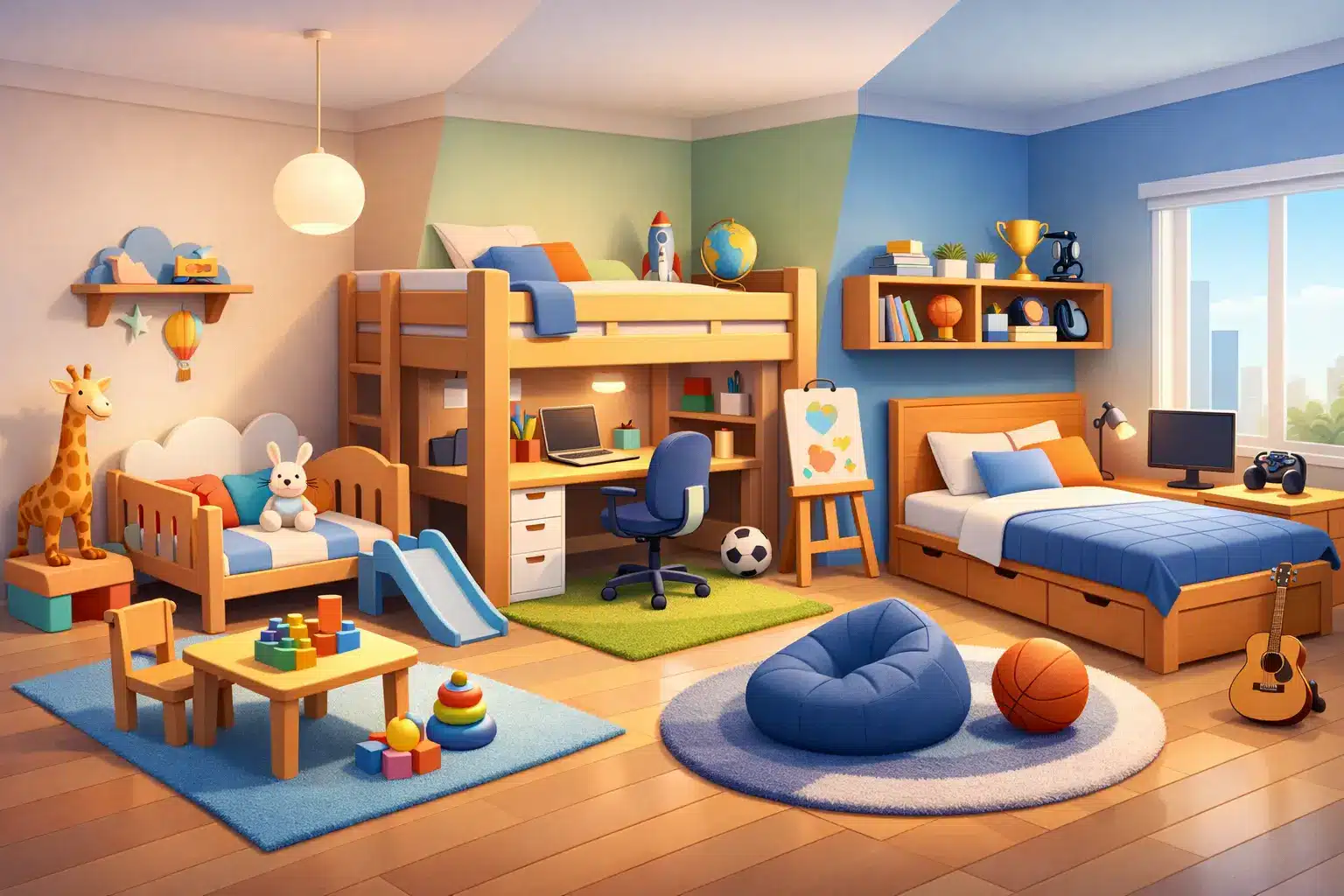
A child’s room rarely stays the same for long. A nursery becomes a toddler’s playroom, then a school-age retreat with books, hobbies, and a growing need for privacy. Choosing kids room furniture UAE families can live with through these changes means looking beyond a single attractive bed or colorful chair. The best rooms feel calm, comfortable, and ready for real family life.
For homes in Dubai, Abu Dhabi, Sharjah, and across the UAE, the starting point is usually the room itself. Apartment bedrooms may need smarter storage and lighter visual proportions, while villa rooms can support larger furniture arrangements and defined areas for sleep, study, and play. A considered plan helps every piece earn its place.
Start With the Way the Room Will Be Used
Before choosing finishes or themes, consider how your child uses the space now and how that may change over the next few years. A toddler needs clear floor space and easy-to-reach storage. A school-age child may need a desk, a reading chair, and room to organize school supplies. Teenagers often prefer furniture that feels more grown-up without losing comfort.
The room should also work for the adults who care for it. Beds need accessible sides for making linens, wardrobes need doors that open without blocking a walkway, and toy storage should make tidying up manageable rather than a daily negotiation. Function is not separate from good design. When circulation is easy and storage is thoughtfully placed, the whole room feels more restful.
A useful approach is to divide the room into three simple zones: sleeping, learning, and relaxing or playing. In a compact bedroom, these zones do not need walls between them. A bed with integrated drawers, a compact desk, and a soft pouf can establish purpose without making the room feel crowded.
Kids Room Furniture UAE Homes Need for Everyday Life
A bed is naturally the anchor of the room, but it should not dictate every decision. Measure the full wall, not just the mattress size, and allow for bedside access, drawers, curtains, and door swings. A larger bed can be a sensible choice for a child who is quickly outgrowing a junior model, provided the room still has enough open space to breathe.
Storage deserves equal attention. Children collect more than expected: clothing, books, art materials, sports equipment, keepsakes, and seasonal items all need a home. A wardrobe with a practical internal layout can reduce the need for additional standalone units. Low drawers and open shelving work well for younger children because they encourage independence, while closed storage keeps visual clutter under control.
For children who are ready for homework, a properly sized desk and supportive chair make a real difference. The desk does not need to dominate the room. A clean-lined piece in a warm wood finish, soft neutral color, or coordinated upholstery can blend naturally with the rest of the interior. Consider where daylight enters, but avoid placing screens where glare will become a distraction.
Soft furnishings add comfort and flexibility. An armchair creates a reading corner. An ottoman can serve as an extra seat, a footrest, or a temporary surface for a tray. Poufs are particularly useful in children’s rooms because they are easy to move when friends visit or playtime expands across the floor. These smaller pieces can bring personality into the room without committing every major item to a short-lived theme.
Choose a Look That Will Not Date Too Quickly
Children often have strong preferences, and a room should reflect their personality. The balance lies in deciding where to use bold color or playful motifs. Furniture is a longer-term investment, so neutral or adaptable foundations usually offer more value. A well-made upholstered bed, wardrobe, or desk in a versatile finish can stay in place while rugs, cushions, artwork, bedding, and curtains evolve.
This does not mean every room needs to be beige. Soft blues, sage greens, warm terracotta, blush tones, and natural timber can create character while still feeling sophisticated enough to grow with the child. A darker accent color can be particularly effective on a single upholstered piece or in textiles, where it is easy to refresh later.
Visual cohesion matters when the bedroom is part of a carefully furnished home. Repeating one or two finishes from nearby spaces, such as oak tones, brushed metal details, or a favorite fabric family, helps the room feel connected to the rest of the interior. It can still be playful, but it will feel intentional rather than separate from the home’s overall style.
Safety and Durability Are Design Decisions Too
A beautiful room must be practical under daily use. Look for stable construction, smooth edges, dependable drawer runners, and finishes that are easy to maintain. Tall storage pieces should be positioned and secured appropriately, while furniture with rounded profiles can be especially reassuring in rooms for younger children.
Upholstery is another decision where lifestyle matters. Light fabrics can create an airy, refined look, but homes with younger children may benefit from textures and colors that are more forgiving between cleanings. This is not a reason to avoid comfort-led pieces. It is a reason to choose materials with the room’s actual use in mind.
In the UAE, curtains also play an important role. They can soften the room, support privacy, and help manage bright morning light. The right fabric, lining, and length should suit the window size and the atmosphere you want to create. A child who sleeps better in a comfortably shaded room is likely to enjoy the space more, too.
Make Small Rooms Feel Considered, Not Compromised
Limited square footage asks for better planning, not necessarily less comfort. Start by protecting open floor space. Choose furniture that serves more than one purpose, such as a bed with storage, a bench that can hold toys, or an ottoman that offers seating without the bulk of another chair.
Scale is crucial. Oversized wardrobes and deep desks can make a room feel tight even when they technically fit. In a smaller bedroom, slimmer silhouettes and furniture raised slightly from the floor can create a lighter impression. Vertical storage also makes good use of wall space, although frequently used items should remain within a child’s reach.
A compact room benefits from fewer, better pieces. Rather than filling every corner, prioritize the items that support the child’s routine: a comfortable bed, reliable storage, a suitable study surface if needed, and one element that makes the room feel special. That may be a reading chair, a beautifully upholstered headboard, or curtains in a fabric the child loves.
When Custom Furniture Makes More Sense
Standard furniture is convenient when dimensions and finishes align with the room. Custom options become especially valuable when they do not. An unusual wall length, a narrow layout, a low window, or an existing interior palette can all make a tailored solution the more practical choice.
Custom dimensions can help a wardrobe sit neatly along a wall or allow a bed to fit without sacrificing circulation. Personalized upholstery and finishes make it easier to coordinate furniture with curtains, flooring, and the wider home. For shared bedrooms, tailored planning can also create a more balanced layout, giving each child storage and a sense of personal space.
At Homess by Sky Space Furniture, families can explore contemporary pieces while discussing dimensions, fabrics, finishes, and bespoke requirements for a more individual room plan. This is particularly helpful when furnishing more than one bedroom or coordinating a child’s room with a new apartment or villa interior.
Build the Room in Layers
Avoid trying to complete every detail in one day. Start with the major furniture, then add the elements that make the room personal. Good lighting, curtains, bedding, a rug, and a small selection of meaningful objects will bring warmth without overwhelming the space.
Leave room for change. A wall once used for toy storage may later hold a desk. A reading nook may become a place for music, art, or quiet conversation. The most successful children’s rooms do not freeze a particular age in time. They offer a comfortable foundation that gives a child more freedom to make the room their own as they grow.