


Blog
Best Beds for Back Support for Better Sleep

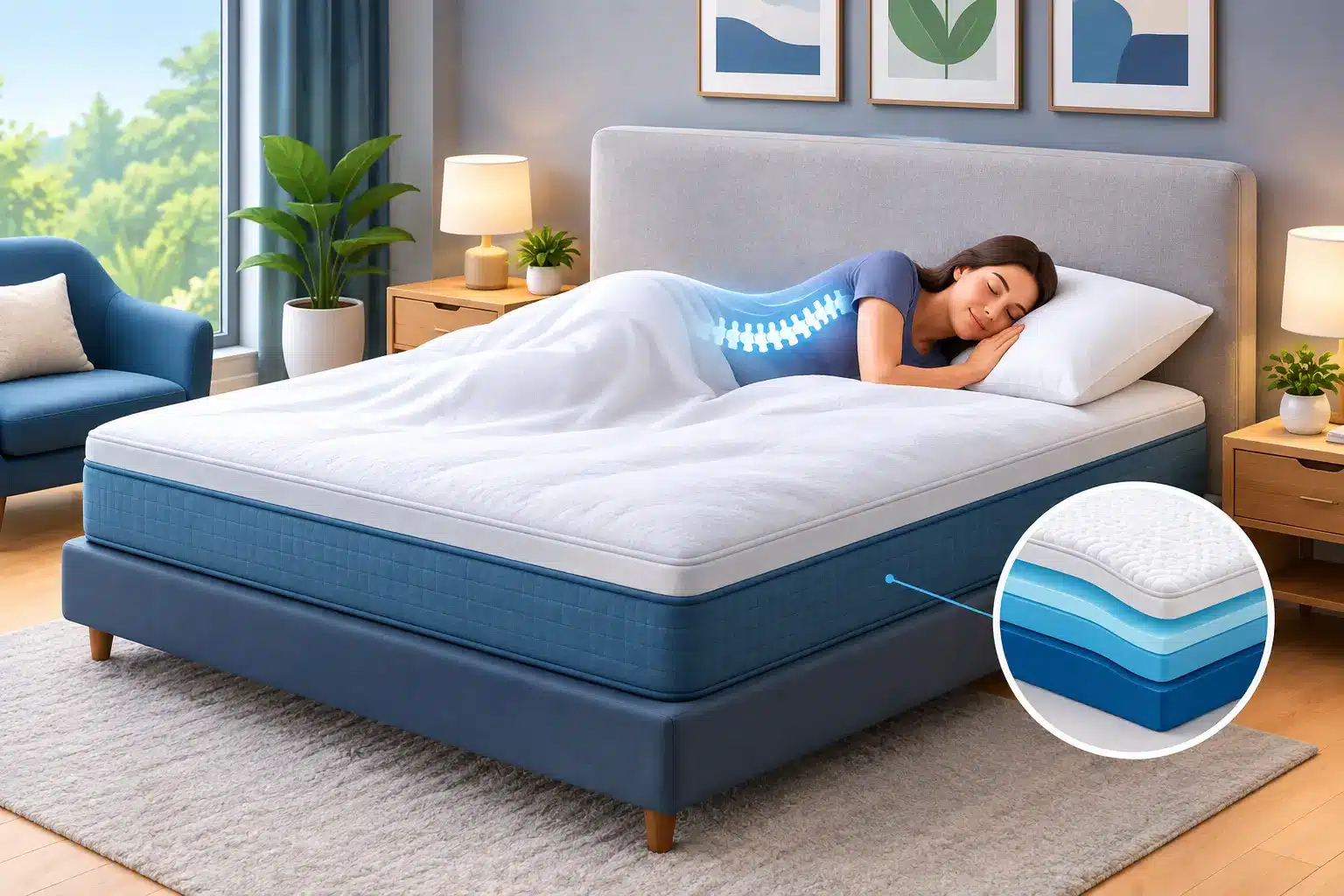
A bed can look beautifully proportioned in a bedroom and still leave its owner waking up stiff. That is why choosing the best beds for back support is less about one fashionable silhouette and more about how the mattress, base, dimensions, and sleeping habits work together. The right combination keeps the body comfortably aligned while giving a room the considered, inviting finish it deserves.
For homeowners furnishing an apartment, villa, or guest room, it helps to think of back support as a complete sleep system. A quality mattress needs a stable foundation. The bed needs to suit the sleeper’s height and preferred position. And the design should fit the room without forcing compromises on comfort.
What Back Support Really Means in a Bed
Back support does not mean sleeping on the hardest surface available. A very firm mattress may feel supportive at first, but if it creates pressure at the shoulders, hips, or lower back, the body can tense during the night. Conversely, a mattress that is too soft may allow the pelvis to sink lower than the shoulders, placing the spine in an awkward curve.
A supportive bed keeps the spine in a neutral, natural position. For most people, that means the head, shoulders, hips, and lower back are supported without deep sagging or pronounced gaps. The ideal feel varies by body weight, sleep position, and personal preference, which is why a single “best” firmness cannot serve every household.
The mattress does most of the contouring, but the bed frame has a meaningful role. A weak or poorly designed base can cause a good mattress to flex unevenly, shorten its usable life, and undermine the support the mattress was designed to provide.
Best Beds for Back Support Start With a Stable Base
A well-built bed base should hold the mattress evenly from edge to edge. Look for closely spaced, durable slats or a solid platform designed to suit the mattress type. The center of larger beds deserves particular attention. Queen and king beds should have strong central reinforcement and supporting legs to prevent the frame from bowing over time.
Upholstered beds can be an excellent choice for comfort-led bedrooms, provided the internal structure is sound. Their padded headboards create a relaxed place to sit up with a book or morning coffee, while their soft finishes can bring warmth to a contemporary room. The support, however, should come from the frame construction beneath the mattress rather than the upholstered exterior alone.
Platform beds offer a clean, modern profile and a stable foundation for many mattress styles. They work especially well in apartments where a lower visual line makes the bedroom feel more open. A slatted base can offer airflow beneath the mattress, but the spacing and strength of those slats should match the mattress manufacturer’s recommendations.
Storage beds are another practical option, particularly where closet space is limited. Choose one with a reinforced base and easy, reliable lifting hardware. The storage function should not come at the expense of a level, properly supported sleeping surface.
Choose Mattress Firmness by How You Sleep
The bed frame gives the mattress a foundation, but firmness determines much of the nightly feel. Rather than selecting by labels alone, consider how your body contacts the mattress in your usual sleep position.
Side sleepers usually need pressure relief
When sleeping on your side, the shoulders and hips carry more concentrated pressure. A medium to medium-firm mattress often provides a balanced feel, allowing these areas to sink slightly while supporting the waist and lower back. Side sleepers with broader shoulders or hips may prefer a little more cushioning, especially if they often wake with tingling arms or tender hips.
Back sleepers need even lumbar support
Back sleepers generally do well with a medium-firm to firm feel. The goal is to support the natural inward curve of the lower back without letting the hips dip too far. A mattress with responsive foam, pocket springs, or a hybrid construction can be a sensible choice because it cushions the body while maintaining a stable surface.
Stomach sleepers need to avoid hip sink
Stomach sleeping can place extra strain on the lower back if the hips sink into a soft mattress. A firmer, flatter sleep surface is often more suitable, particularly for heavier sleepers. A thinner pillow may also help keep the neck from bending upward too sharply.
Body weight changes the feel
Mattresses naturally feel firmer to lighter sleepers and softer to people with more body weight. A medium-firm model may be ideal for one person and too yielding for another. Couples with different needs may benefit from a responsive hybrid mattress, a split configuration, or a size large enough to reduce motion transfer and give each person room to settle comfortably.
Size Is Part of Support, Not Just Room Planning
A bed that is too small can affect sleep posture. People shift positions several times each night, and limited space may lead to cramped shoulders, curled legs, or disrupted sleep when sharing with a partner. As a guide, the mattress should be at least several inches longer than the tallest sleeper, with enough width for both occupants to move naturally.
In a compact bedroom, choosing a larger bed can seem counterintuitive. Yet a poorly sized mattress is rarely a worthwhile trade-off. The better approach is to plan the layout carefully and select a frame with proportions that suit the space. Slim side rails, an upholstered headboard with a tailored profile, or integrated storage can provide comfort and function without making the room feel crowded.
For primary bedrooms, a king-size bed often gives couples the space needed for less interrupted sleep. In guest rooms, a queen bed is frequently the most versatile choice, offering a comfortable sleeping area while leaving circulation space around the room.
Materials and Features That Make a Difference
There is no universal mattress material for back support, but each construction has useful qualities. Memory foam can contour closely and reduce pressure points, although some sleepers prefer a more responsive feel. Latex is buoyant, durable, and supportive, with a gentle cushioning effect. Pocket-spring mattresses offer individualized support and airflow, while hybrids combine springs with foam or latex comfort layers for a balanced result.
Adjustable bases can also be valuable for people who read in bed, experience occasional reflux, or simply prefer elevating their legs after a long day. Raising the head or feet may improve comfort for some sleepers, but it is not a substitute for a mattress that supports the spine properly when flat.
A tall headboard, wide upholstered surround, or statement fabric should complement the way the bed is used. If you enjoy sitting up in bed, prioritize a padded headboard with enough height and softness for comfortable support. If the bedroom is part of a carefully coordinated interior, select upholstery and finishes that connect with the curtains, occasional seating, and overall color palette.
When a Custom Bed Is the Better Choice
Standard bed dimensions do not always suit a room or household. An unusually shaped bedroom, a wall of windows, a low ceiling, or a specific mattress size may call for a tailored solution. Custom dimensions can help maintain clear walkways, align the bed with architectural features, and create a more balanced composition without sacrificing a supportive mattress foundation.
Customization is also useful when the visual requirements are precise. You may want a particular headboard height, a performance fabric suitable for family life, concealed storage, or a finish that echoes existing furniture. For hospitality spaces, the same principles extend to repeated-use durability, practical maintenance, and a consistent guest experience across rooms.
At Homess by Sky Space Furniture, tailored bed dimensions, upholstery, and finishes can help homeowners and project teams create bedrooms that feel personal while meeting everyday comfort needs. The most successful specification begins with the mattress size and support requirements, then builds the design around them.
A Quick Check Before You Commit
Before selecting a new bed, assess the mattress and base together. Check that the frame is reinforced for the mattress size, the slats are secure, and the center is fully supported. Think about how you sleep, whether you share the bed, and whether you need storage or extra room to move.
If back pain is persistent, severe, or accompanied by numbness or weakness, consult a qualified medical professional. A better bed can improve sleeping comfort, but it cannot diagnose or treat an underlying condition.
The best choice is the one that supports your body night after night and fits naturally into the life of your home. Start with a stable base, choose a mattress feel that suits the way you sleep, and let the final design make the bedroom a place you genuinely look forward to returning to.