


Blog
Custom Armchairs Dubai for Comfort That Fits

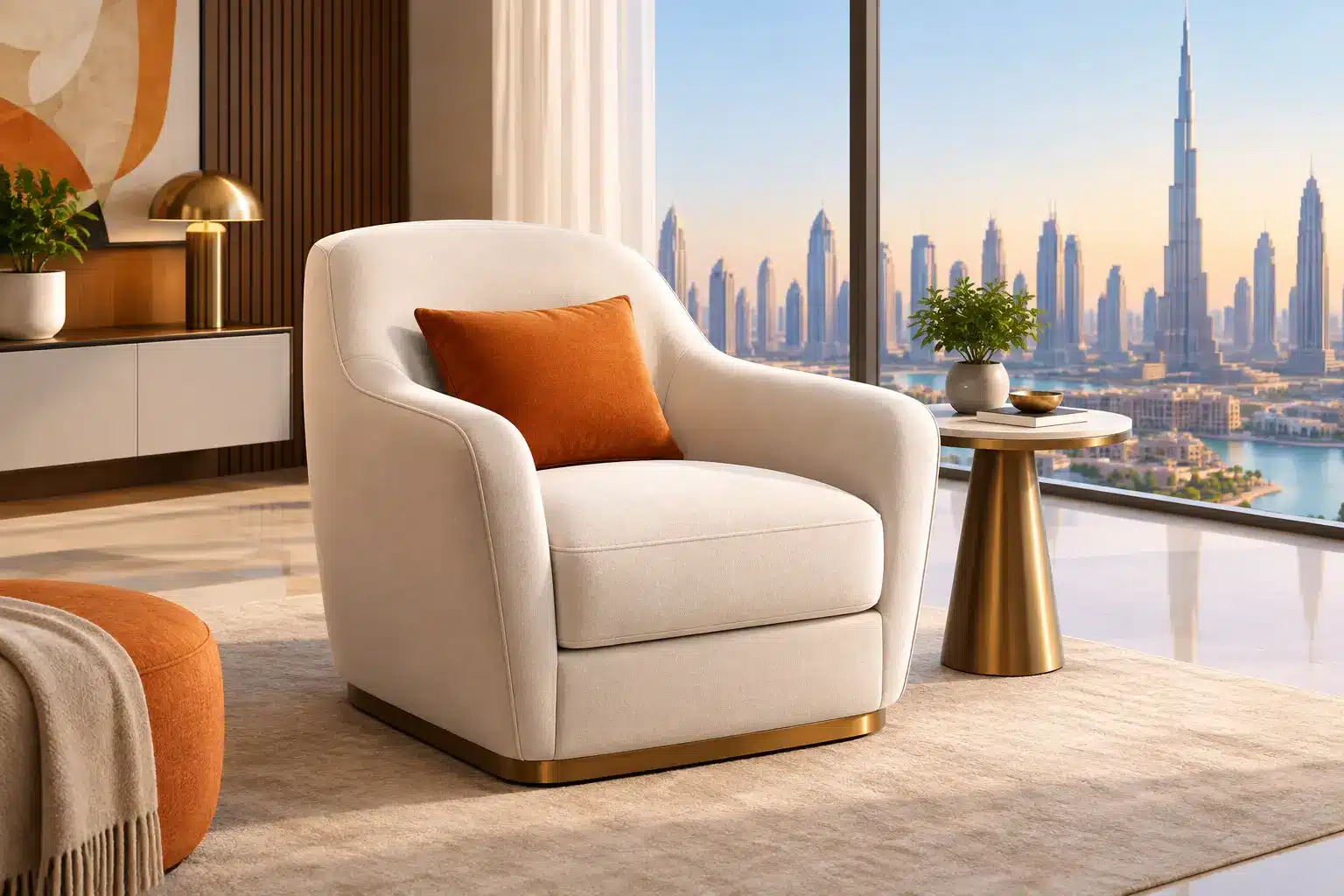
A well-chosen armchair can change how a room is used. It creates a reading corner beside a window, gives a bedroom a quiet place to pause, or makes a formal living area feel ready for real conversation. For homeowners looking for custom armchairs Dubai offers more than a choice of fabrics: it offers the chance to get the scale, comfort, and character of the chair right for the space.
That distinction matters in homes where layouts vary widely. A compact Downtown apartment may need a slim profile and a lighter visual footprint, while a villa lounge can carry a generous, deeply cushioned silhouette. In a hotel lobby or reception setting, the chair must also hold up to frequent use while presenting a considered first impression. Customization makes these needs part of the decision rather than an afterthought.
Why Custom Armchairs Dubai Homes Need Are Different
An armchair is rarely selected in isolation. It sits beside a sofa, faces a coffee table, fills an empty bedroom corner, or anchors a waiting area. Standard dimensions can look attractive online yet feel too wide for the room, too low beside the existing seating, or too upright for the way a family actually relaxes.
Custom sizing gives greater control over the details that affect daily comfort. Seat depth influences whether the chair supports upright sitting or relaxed lounging. Arm height changes how naturally it works beside a sofa. Back height shapes both comfort and the visual balance of the room. Even a few inches can make a meaningful difference when a chair needs to fit between curtains, cabinetry, or another seating piece.
Upholstery is equally important. Dubai homes often balance strong daylight, active family life, and air-conditioned interiors, so the ideal material depends on where the chair will live. A textured bouclé may bring softness to a formal bedroom, while a performance fabric can be a wiser choice for a busy family room. Leather or leather-look upholstery may suit an executive office or refined lounge, provided the color and finish complement the rest of the interior.
Customization is not automatically the best route for every purchase. If a ready-made chair already fits the room, budget, and preferred finish, it can be the more direct choice. Custom work becomes especially valuable when proportion, fabric coordination, specific comfort preferences, or a distinctive design requirement cannot be compromised.
Start With the Room, Not the Fabric Swatch
Fabric samples are exciting, but the room should lead the process. Before choosing a shape or color, consider what the armchair needs to do. A chair intended for occasional guests can be more sculptural and upright. A chair for evening reading benefits from a supportive back, comfortable armrests, and enough seat depth to settle into. A bedroom accent chair may prioritize visual lightness, while a media room chair should favor relaxed comfort.
Measure the intended area with circulation in mind. The chair itself is only part of the footprint. Leave enough space to walk around it, open nearby doors, and position a side table if needed. In a living room, the chair should feel connected to the main seating arrangement rather than pushed against a wall simply because there is empty space there.
It also helps to consider the chair from several viewpoints. From the entrance, does it add a useful layer of color or create visual clutter? From the sofa, is its seat height comfortable for conversation? From the window, will its back obscure light or a view? These practical questions prevent a beautiful piece from becoming an awkward one.
Choosing a Shape That Belongs in the Interior
The strongest custom armchairs feel like a natural continuation of the room, not a separate decorative statement. In contemporary interiors, clean-lined club chairs, softly curved occasional chairs, and tailored barrel shapes often work well because they offer comfort without adding unnecessary visual weight.
A curved chair can soften a room with linear sofas, wall paneling, or angular coffee tables. A square, structured silhouette can bring order to a more relaxed setting with rounded furnishings and layered textiles. Swivel bases suit conversation areas, dressing rooms, and spaces where flexibility is useful. Fixed wooden or metal legs tend to create a lighter, more elevated appearance, while a fully upholstered base makes a chair feel more grounded and generous.
The relationship between the armchair and sofa deserves particular attention. Matching every detail can make a room feel flat, but choosing completely unrelated styles can look accidental. A better approach is to create a connection through one or two shared elements, such as similar leg finishes, a complementary fabric texture, or a consistent level of formality. A warm ivory sofa, for example, can sit comfortably with a taupe textured armchair or a muted olive velvet chair, depending on the desired mood.
Comfort Is Built Into the Details
A chair can look inviting and still fail the comfort test. Cushion fill, back angle, seat firmness, and arm placement all shape the experience. This is why comfort-led furniture should be considered beyond photographs and broad style labels.
For an everyday lounge chair, balanced support usually works better than an overly soft seat that loses its shape quickly. A firmer construction may be appropriate for dining-adjacent seating, reception spaces, and formal rooms where people sit for shorter periods. For private bedrooms and family areas, a more relaxed cushion profile can feel especially welcoming.
For hospitality and commercial projects, comfort must work alongside durability and maintenance. Upholstery should be selected for the expected level of traffic, while details such as piping, tufting, and delicate exposed finishes should be assessed realistically. A design that looks exceptional in a private villa may need adaptation for a busy lobby, clinic, or hotel lounge.
Fabrics and Finishes That Hold Their Place
Color sets the immediate mood, but texture gives an armchair its staying power. Linen-look weaves and tactile neutrals bring an easy, contemporary warmth. Velvet adds depth and a richer visual presence, especially in jewel tones, earthy browns, or softened neutrals. Bouclé creates a sculpted, inviting look, though it may not be the most practical option in every high-use household. Leather offers a clean, enduring finish that can become more characterful with time, depending on the grade and care routine.
A custom piece makes it easier to coordinate with curtains, rugs, cushions, and existing upholstery without making every surface identical. This is particularly useful when furnishing a complete space. A chair can repeat the undertone of the curtains, echo the timber finish of a coffee table, or introduce a restrained contrast to a neutral sectional.
When reviewing options, focus on four practical considerations:
- How the fabric will respond to everyday use, children, pets, and entertaining.
- Whether the color looks balanced in both daylight and evening lighting.
- How the texture relates to nearby sofas, rugs, and curtains.
- What level of care the material will require over time.
Lighter upholstery can make a compact room feel open, but it may need more attentive care. Darker tones and patterned fabrics can be more forgiving, although they can visually shrink a small space if used heavily. There is no universal best choice. The right finish is the one that supports the way the room is lived in.
From a Single Chair to a Complete Furnishing Plan
An armchair often becomes the starting point for a more cohesive interior. Once its dimensions, fabric, and style are defined, it can guide decisions around ottomans, poufs, side tables, curtains, and accent lighting. This is especially helpful when furnishing a new villa, upgrading a living room, or completing several guest rooms with a consistent look.
For larger residential and hospitality requirements, a coordinated approach also keeps proportions consistent across the project. Reception seating, lounge chairs, bedroom accent pieces, and lobby furniture can share a clear design language while still serving different purposes. Homess by Sky Space Furniture supports this kind of tailored coordination through inquiry-based custom furnishing, helping clients specify furniture that suits both individual rooms and broader projects.
Before confirming a custom order, share accurate room measurements, photos of the surrounding finishes, and a clear description of how the chair will be used. This creates a better foundation for discussing dimensions, upholstery, comfort level, and finishing details. It also reduces the risk of selecting a chair that works beautifully on its own but not within the completed room.
The best armchair is not simply the most striking piece in the showroom. It is the one that welcomes people to sit down, fits the room without effort, and continues to feel right long after the rest of the styling is complete.