


Blog
Small Apartment Furniture Ideas That Fit

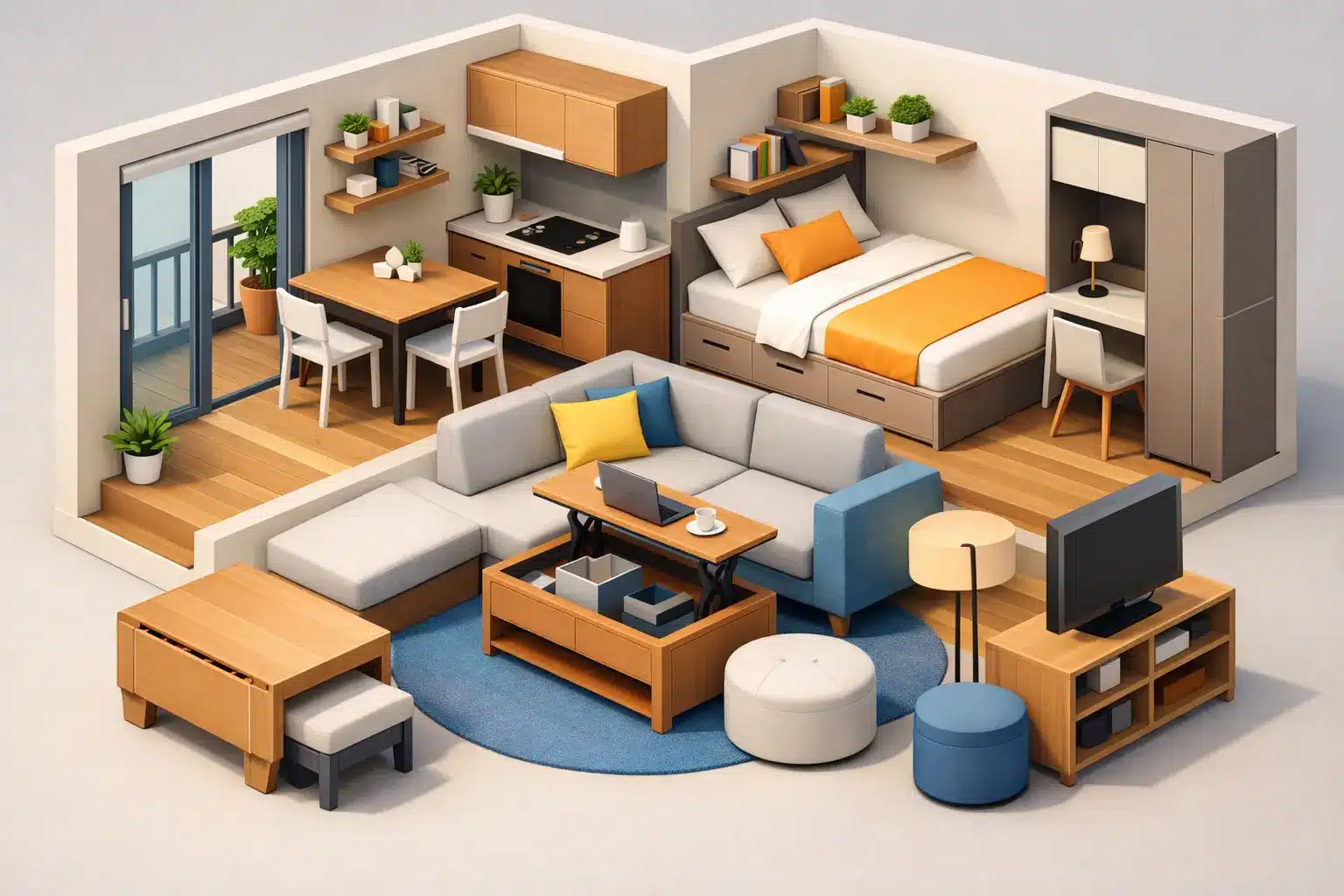
A compact apartment should never feel like a collection of compromises. The best small apartment furniture ideas begin with a simple shift in perspective: every piece needs to earn its place through comfort, proportion, storage, flexibility, or visual calm. When those qualities work together, even a limited floor plan can feel composed, welcoming, and distinctly personal.
The goal is not to fill every empty corner. It is to choose furniture that supports the way you actually live, whether that means hosting friends for dinner, creating a restful bedroom, working from home, or keeping a family living area organized.
Small Apartment Furniture Ideas Start With Scale
Before choosing colors, upholstery, or decorative accents, measure the room and map the circulation space. A sofa may fit against a wall, for example, but the room still needs enough open area to walk comfortably around it. In smaller homes, clear pathways make a greater difference than an extra side table or oversized armchair.
Look at the height, depth, and visual weight of each piece. Low-profile sofas and beds can make ceilings appear higher, while furniture raised on slim legs reveals more floor and creates a lighter impression. That does not mean every item has to be delicate. A substantial sofa can still work beautifully in a small living room when its depth is appropriate and its shape is clean rather than overstuffed.
Custom dimensions can be particularly valuable when a standard piece is just a few inches too deep or wide. A tailored sofa, headboard, bench, or media unit can make use of the room without blocking a window, doorway, or walkway. For apartments with unusual corners or open-plan layouts, this level of adjustment often creates a more polished result than forcing a catalog-sized item into place.
Choose Seating That Does More Than One Job
The living room is often where small-space decisions become most visible. Instead of selecting separate seating pieces without a plan, start with how many people use the room every day and how often you entertain.
A compact two- or three-seat sofa is usually a better foundation than a large sectional. Sectionals can be useful in a square room or a clearly defined open-plan corner, but they can overwhelm a narrow apartment lounge and limit future layout changes. If you enjoy flexible seating, pair the sofa with one or two upholstered poufs or ottomans. They can serve as extra seats, footrests, or, with a tray on top, a casual surface for drinks.
An accent chair brings character, but it should be selected with care. Choose a chair with an open base, gently curved arms, or a slimmer silhouette if the room feels crowded. One comfortable armchair near a window or floor lamp can create a reading spot without making the space feel packed.
When storage is limited, an upholstered storage ottoman is one of the most useful additions. It keeps throws, children’s toys, or occasional items out of sight while maintaining the softness a living room needs. The trade-off is that larger storage ottomans can become visually heavy, so keep the scale aligned with the sofa rather than treating it like a full coffee table.
Let a Coffee Table Leave Room to Move
Coffee tables should provide a surface without becoming an obstacle. A round or oval table is often easier to navigate in a compact seating area because it softens tight corners. Nesting tables are another practical choice when you need more surface area only when guests arrive.
If the room is especially narrow, consider a pair of small tables instead of one large central table. They can be moved beside the sofa when needed and tucked away afterward. Glass and light-toned finishes can make a room feel more open, though darker wood or stone-inspired finishes may be the better choice if they connect with the rest of the interior. Cohesion matters more than following a single small-space rule.
Make Storage Look Like Part of the Design
Visible clutter quickly makes an apartment feel smaller, even when the room itself is well sized. The most effective storage furniture blends into the design rather than looking purely utilitarian.
A low media unit with closed cabinets can organize electronics, books, and daily essentials while giving the wall a calm, finished appearance. In a dining area, a slim sideboard can hold serving pieces and linens while offering a surface for a lamp, artwork, or decorative objects. For bedrooms, a bed with integrated drawers can provide valuable storage, but only if the drawers have room to open fully. In some layouts, a lift-up storage base may be more practical than side drawers.
Tall storage is useful when floor space is scarce, but it should not turn every wall into a wall of cabinets. Balance larger pieces with breathing room, artwork, or curtains that draw the eye upward. A thoughtfully placed full-height unit can feel intentional; several mismatched storage pieces usually feel busy.
Use the Bedroom as a Restful, Efficient Retreat
Small bedrooms need particularly disciplined choices. The bed is the priority, so begin there and build around it rather than trying to fit every traditional bedroom item into the room.
A bed with a streamlined upholstered headboard creates comfort without demanding the depth of a large, heavily detailed frame. Choose bedside tables that suit the available clearance. In a tight layout, a narrow nightstand, wall-mounted shelf, or a small round table may work better than a full-sized cabinet.
A bench at the foot of the bed can add convenience for dressing and provide discreet storage, but only when there is sufficient walking space. If it creates a cramped passage, skip it. The room will feel more luxurious with fewer, better-proportioned pieces.
Curtains also have an important role. Hanging them close to the ceiling and allowing them to fall to the floor can give the room a taller, more finished look. Lighter fabrics create softness without visual heaviness, while lined drapery may be worth considering when privacy, light control, or a more tailored atmosphere is the priority.
Define Open-Plan Areas Without Building Barriers
In a studio or open-plan apartment, furniture placement should quietly establish zones. A sofa can mark the edge of the living area, while a dining table, rug, or narrow console can distinguish the dining space. The key is creating definition without interrupting sightlines.
Avoid placing every piece tightly against a wall simply to expose more floor. In some rooms, floating a sofa slightly away from the wall makes the layout feel more deliberate and helps separate functions. This only works when there is adequate clearance behind it, so it depends on the apartment’s proportions.
Dining furniture should be selected for everyday use first. A round table can be easier to move around in a compact area, while an extendable table is ideal for households that host occasionally. Dining chairs without bulky arms tend to tuck in neatly and preserve a cleaner outline. If the table doubles as a work surface, prioritize a comfortable chair and a durable finish rather than choosing solely for appearance.
Keep Color and Materials Connected
A small apartment does not need to be entirely pale or neutral. Deep colors, textured fabrics, and rich wood tones can make a compact home feel warm and sophisticated. The difference is in repetition and restraint.
Choose a focused palette, then repeat key tones across upholstery, curtains, rugs, and smaller accents. A warm gray sofa, natural wood coffee table, and soft beige curtains, for instance, can create a calm foundation that allows a dark accent chair or patterned cushion to stand out. Too many unrelated finishes can make furniture feel visually fragmented.
Texture is often more effective than adding extra color. Bouclé, velvet, linen-look fabric, timber, and brushed metal can bring depth to a neutral room while preserving a quiet overall look. For families, durability and cleanability should guide upholstery decisions just as much as style. A beautiful fabric that cannot support daily life is rarely a practical investment.
Prioritize Pieces Worth Customizing
Not every item needs to be bespoke. Smaller accessories, side tables, and occasional seating can often be chosen from ready-made collections. Invest custom attention where fit and comfort matter most: sofas, beds, curtains, dining pieces, built-in-style storage, and statement upholstered furniture.
At Homess, custom dimensions, finishes, and upholstery options can help create furniture that responds to your actual layout rather than an assumed one. This is especially helpful when an apartment has a narrow living room, an angled wall, a compact bedroom, or a specific color direction that standard options do not quite meet.
A well-furnished small apartment feels generous because it gives every activity a place without asking the room to do too much. Start with the pieces you use most, leave space around them, and let thoughtful proportions create the comfort that square footage alone cannot provide.
Small Apartment Furniture Ideas That Fit
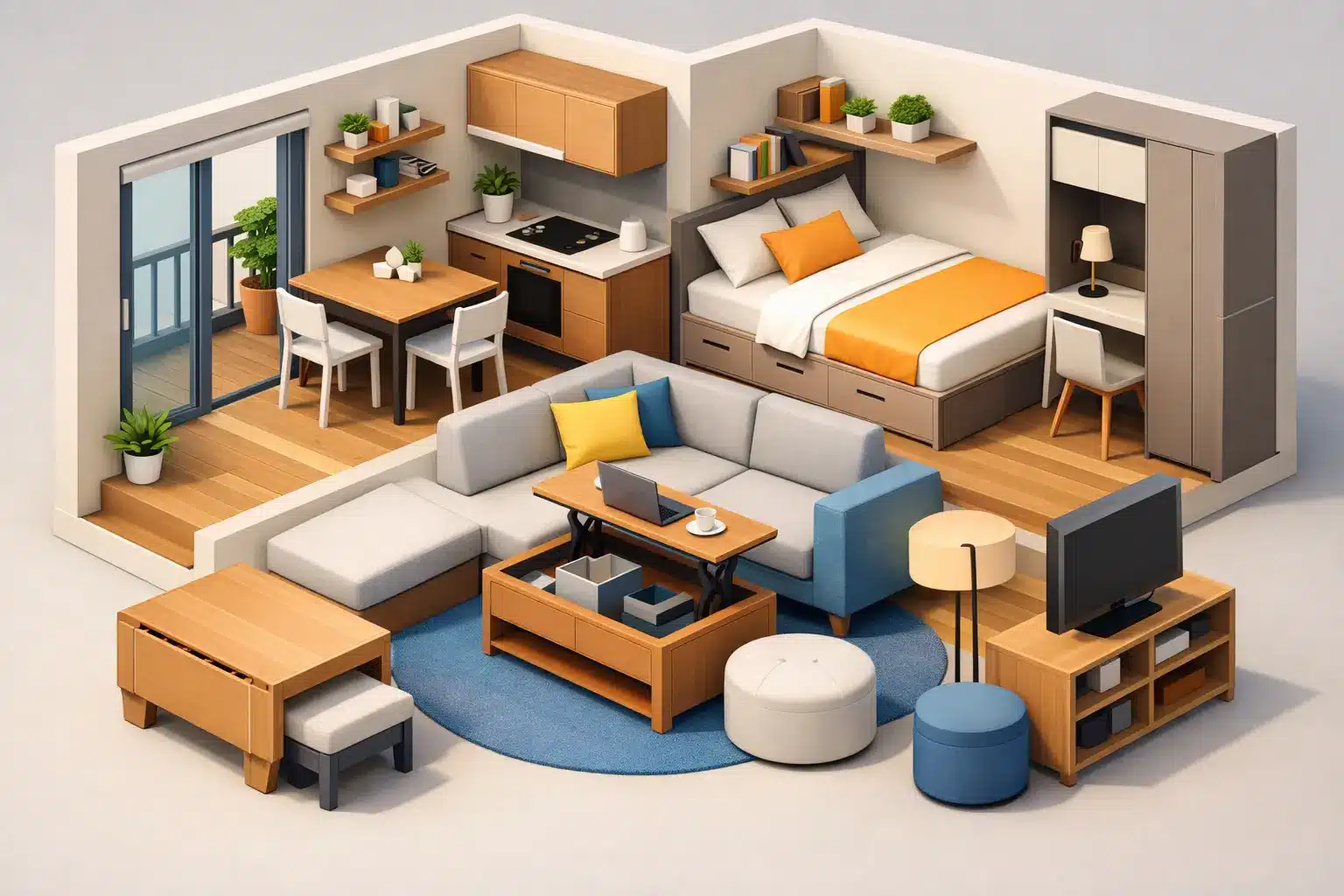
A compact apartment should never feel like a collection of compromises. The best small apartment furniture ideas begin with a simple shift in perspective: every piece needs to earn its place through comfort, proportion, storage, flexibility, or visual calm. When those qualities work together, even a limited floor plan can feel composed, welcoming, and distinctly personal.
The goal is not to fill every empty corner. It is to choose furniture that supports the way you actually live, whether that means hosting friends for dinner, creating a restful bedroom, working from home, or keeping a family living area organized.
Small Apartment Furniture Ideas Start With Scale
Before choosing colors, upholstery, or decorative accents, measure the room and map the circulation space. A sofa may fit against a wall, for example, but the room still needs enough open area to walk comfortably around it. In smaller homes, clear pathways make a greater difference than an extra side table or oversized armchair.
Look at the height, depth, and visual weight of each piece. Low-profile sofas and beds can make ceilings appear higher, while furniture raised on slim legs reveals more floor and creates a lighter impression. That does not mean every item has to be delicate. A substantial sofa can still work beautifully in a small living room when its depth is appropriate and its shape is clean rather than overstuffed.
Custom dimensions can be particularly valuable when a standard piece is just a few inches too deep or wide. A tailored sofa, headboard, bench, or media unit can make use of the room without blocking a window, doorway, or walkway. For apartments with unusual corners or open-plan layouts, this level of adjustment often creates a more polished result than forcing a catalog-sized item into place.
Choose Seating That Does More Than One Job
The living room is often where small-space decisions become most visible. Instead of selecting separate seating pieces without a plan, start with how many people use the room every day and how often you entertain.
A compact two- or three-seat sofa is usually a better foundation than a large sectional. Sectionals can be useful in a square room or a clearly defined open-plan corner, but they can overwhelm a narrow apartment lounge and limit future layout changes. If you enjoy flexible seating, pair the sofa with one or two upholstered poufs or ottomans. They can serve as extra seats, footrests, or, with a tray on top, a casual surface for drinks.
An accent chair brings character, but it should be selected with care. Choose a chair with an open base, gently curved arms, or a slimmer silhouette if the room feels crowded. One comfortable armchair near a window or floor lamp can create a reading spot without making the space feel packed.
When storage is limited, an upholstered storage ottoman is one of the most useful additions. It keeps throws, children’s toys, or occasional items out of sight while maintaining the softness a living room needs. The trade-off is that larger storage ottomans can become visually heavy, so keep the scale aligned with the sofa rather than treating it like a full coffee table.
Let a Coffee Table Leave Room to Move
Coffee tables should provide a surface without becoming an obstacle. A round or oval table is often easier to navigate in a compact seating area because it softens tight corners. Nesting tables are another practical choice when you need more surface area only when guests arrive.
If the room is especially narrow, consider a pair of small tables instead of one large central table. They can be moved beside the sofa when needed and tucked away afterward. Glass and light-toned finishes can make a room feel more open, though darker wood or stone-inspired finishes may be the better choice if they connect with the rest of the interior. Cohesion matters more than following a single small-space rule.
Make Storage Look Like Part of the Design
Visible clutter quickly makes an apartment feel smaller, even when the room itself is well sized. The most effective storage furniture blends into the design rather than looking purely utilitarian.
A low media unit with closed cabinets can organize electronics, books, and daily essentials while giving the wall a calm, finished appearance. In a dining area, a slim sideboard can hold serving pieces and linens while offering a surface for a lamp, artwork, or decorative objects. For bedrooms, a bed with integrated drawers can provide valuable storage, but only if the drawers have room to open fully. In some layouts, a lift-up storage base may be more practical than side drawers.
Tall storage is useful when floor space is scarce, but it should not turn every wall into a wall of cabinets. Balance larger pieces with breathing room, artwork, or curtains that draw the eye upward. A thoughtfully placed full-height unit can feel intentional; several mismatched storage pieces usually feel busy.
Use the Bedroom as a Restful, Efficient Retreat
Small bedrooms need particularly disciplined choices. The bed is the priority, so begin there and build around it rather than trying to fit every traditional bedroom item into the room.
A bed with a streamlined upholstered headboard creates comfort without demanding the depth of a large, heavily detailed frame. Choose bedside tables that suit the available clearance. In a tight layout, a narrow nightstand, wall-mounted shelf, or a small round table may work better than a full-sized cabinet.
A bench at the foot of the bed can add convenience for dressing and provide discreet storage, but only when there is sufficient walking space. If it creates a cramped passage, skip it. The room will feel more luxurious with fewer, better-proportioned pieces.
Curtains also have an important role. Hanging them close to the ceiling and allowing them to fall to the floor can give the room a taller, more finished look. Lighter fabrics create softness without visual heaviness, while lined drapery may be worth considering when privacy, light control, or a more tailored atmosphere is the priority.
Define Open-Plan Areas Without Building Barriers
In a studio or open-plan apartment, furniture placement should quietly establish zones. A sofa can mark the edge of the living area, while a dining table, rug, or narrow console can distinguish the dining space. The key is creating definition without interrupting sightlines.
Avoid placing every piece tightly against a wall simply to expose more floor. In some rooms, floating a sofa slightly away from the wall makes the layout feel more deliberate and helps separate functions. This only works when there is adequate clearance behind it, so it depends on the apartment’s proportions.
Dining furniture should be selected for everyday use first. A round table can be easier to move around in a compact area, while an extendable table is ideal for households that host occasionally. Dining chairs without bulky arms tend to tuck in neatly and preserve a cleaner outline. If the table doubles as a work surface, prioritize a comfortable chair and a durable finish rather than choosing solely for appearance.
Keep Color and Materials Connected
A small apartment does not need to be entirely pale or neutral. Deep colors, textured fabrics, and rich wood tones can make a compact home feel warm and sophisticated. The difference is in repetition and restraint.
Choose a focused palette, then repeat key tones across upholstery, curtains, rugs, and smaller accents. A warm gray sofa, natural wood coffee table, and soft beige curtains, for instance, can create a calm foundation that allows a dark accent chair or patterned cushion to stand out. Too many unrelated finishes can make furniture feel visually fragmented.
Texture is often more effective than adding extra color. Bouclé, velvet, linen-look fabric, timber, and brushed metal can bring depth to a neutral room while preserving a quiet overall look. For families, durability and cleanability should guide upholstery decisions just as much as style. A beautiful fabric that cannot support daily life is rarely a practical investment.
Prioritize Pieces Worth Customizing
Not every item needs to be bespoke. Smaller accessories, side tables, and occasional seating can often be chosen from ready-made collections. Invest custom attention where fit and comfort matter most: sofas, beds, curtains, dining pieces, built-in-style storage, and statement upholstered furniture.
At Homess, custom dimensions, finishes, and upholstery options can help create furniture that responds to your actual layout rather than an assumed one. This is especially helpful when an apartment has a narrow living room, an angled wall, a compact bedroom, or a specific color direction that standard options do not quite meet.
A well-furnished small apartment feels generous because it gives every activity a place without asking the room to do too much. Start with the pieces you use most, leave space around them, and let thoughtful proportions create the comfort that square footage alone cannot provide.